DESIGN September 18, 2026
The Journal / 03
From Idea to Form
Before an idea becomes an object, it is a question of feeling, balance and the point of view it will carry into the world.
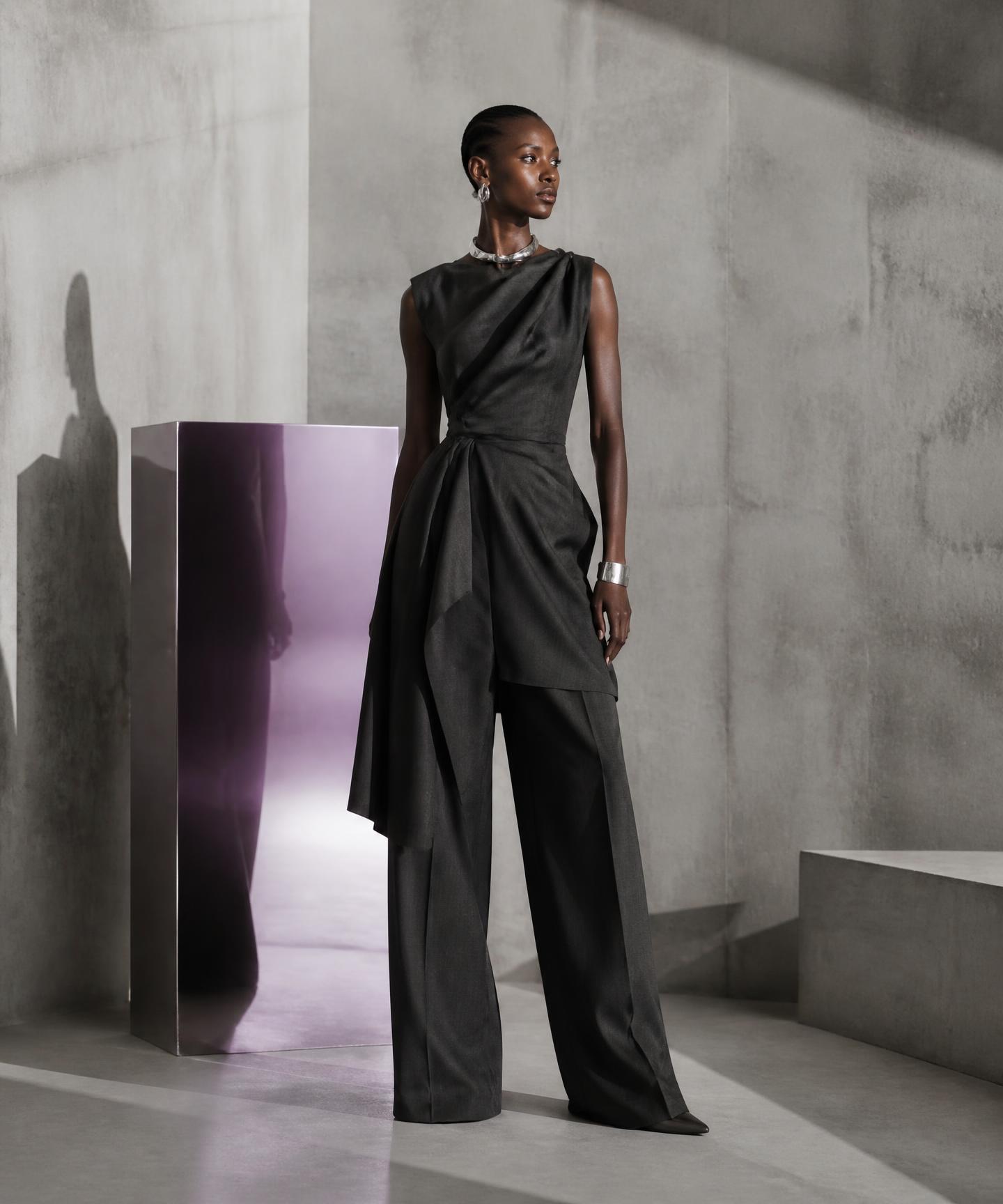
Design often begins before there is a fixed image of the result. It can start with tension between two qualities: softness and precision, restraint and presence, familiarity and surprise. The early idea is less a solution than a direction — a feeling to test through shape.
Proportion turns that direction into a visual language. Length, volume, scale and placement determine how the eye moves and how a piece relates to the body. Small shifts can transform the entire expression. The process is one of looking closely, removing what distracts and strengthening what feels essential.
“An idea becomes distinct through the choices that remain.”
The work of iteration
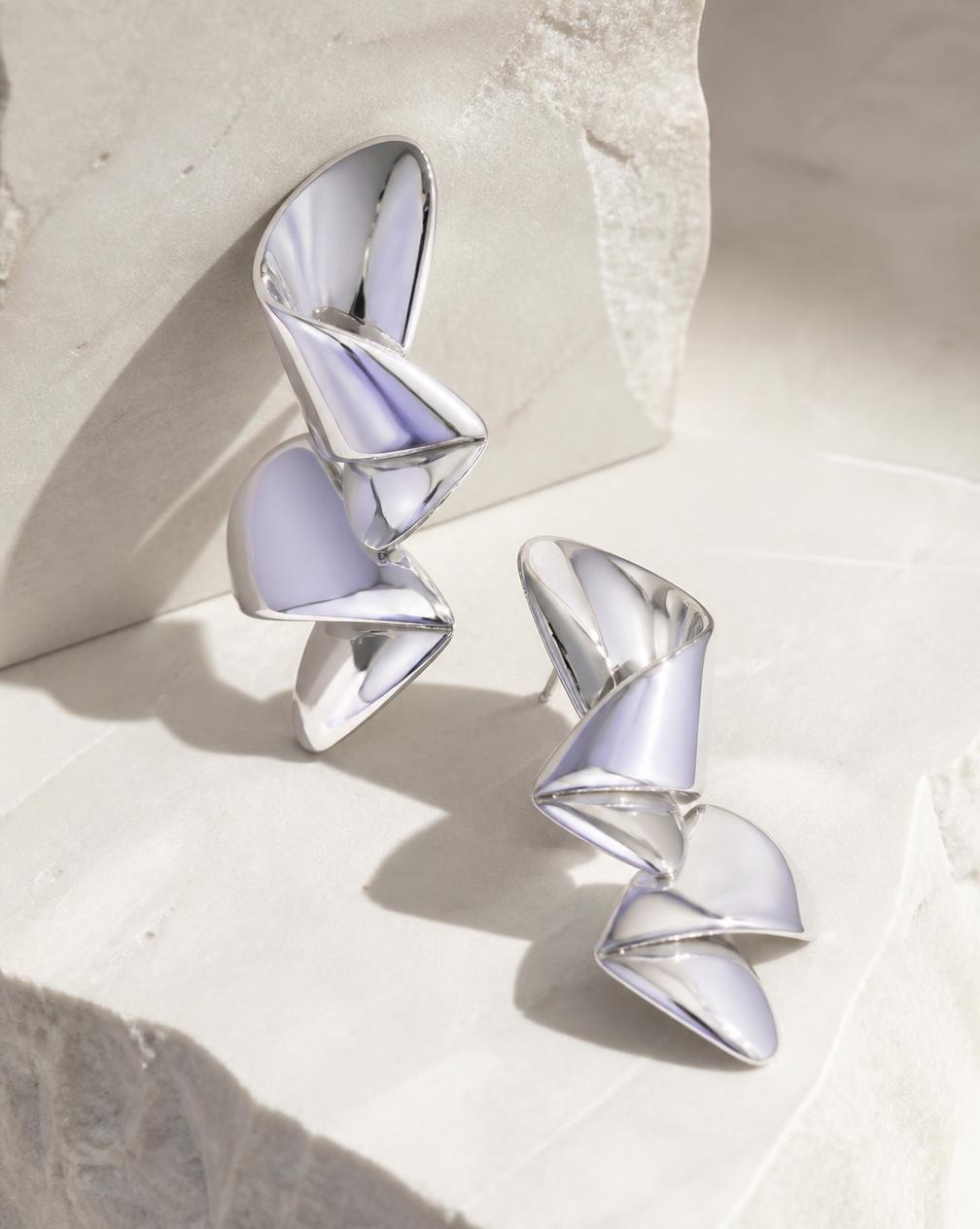
Iteration is not simply correction. It is a way of discovering what the original idea was asking to become. A silhouette may need more space, a detail less emphasis, or an unexpected contrast to bring the whole composition into focus.
Across clothing, jewelry and accessories, the scale changes but the questions remain connected. Where does the form hold attention? How does it move within a complete look? Does it feel specific enough to be remembered, yet open enough to be worn in more than one way?
A world around the piece
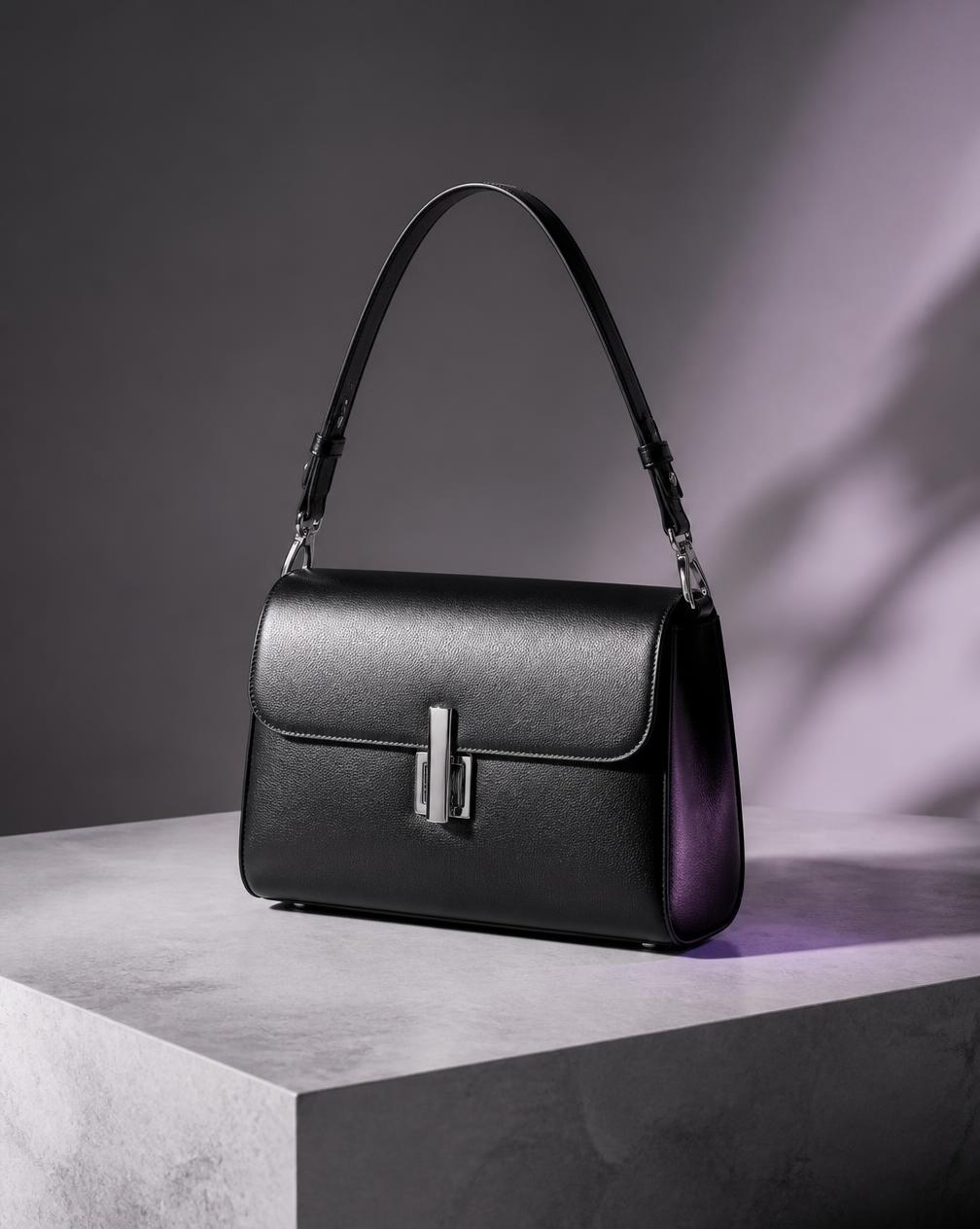
Styling and creative direction reveal another dimension of form. Light, gesture, framing and the relationship between pieces can clarify an attitude that was present from the beginning. The object is not treated as an isolated endpoint; it enters a wider visual world.
From idea to form is therefore not a straight line. It is a conversation between concept and appearance, between what is imagined and what the eye understands. The aim is not complexity for its own sake, but clarity with character — a form that carries the LAVRIA point of view without needing to explain it.